THE NUTCRACKER
Tchaikovsky’s Nutcracker
December 9-13, 2026
Numerica Performing Arts Center
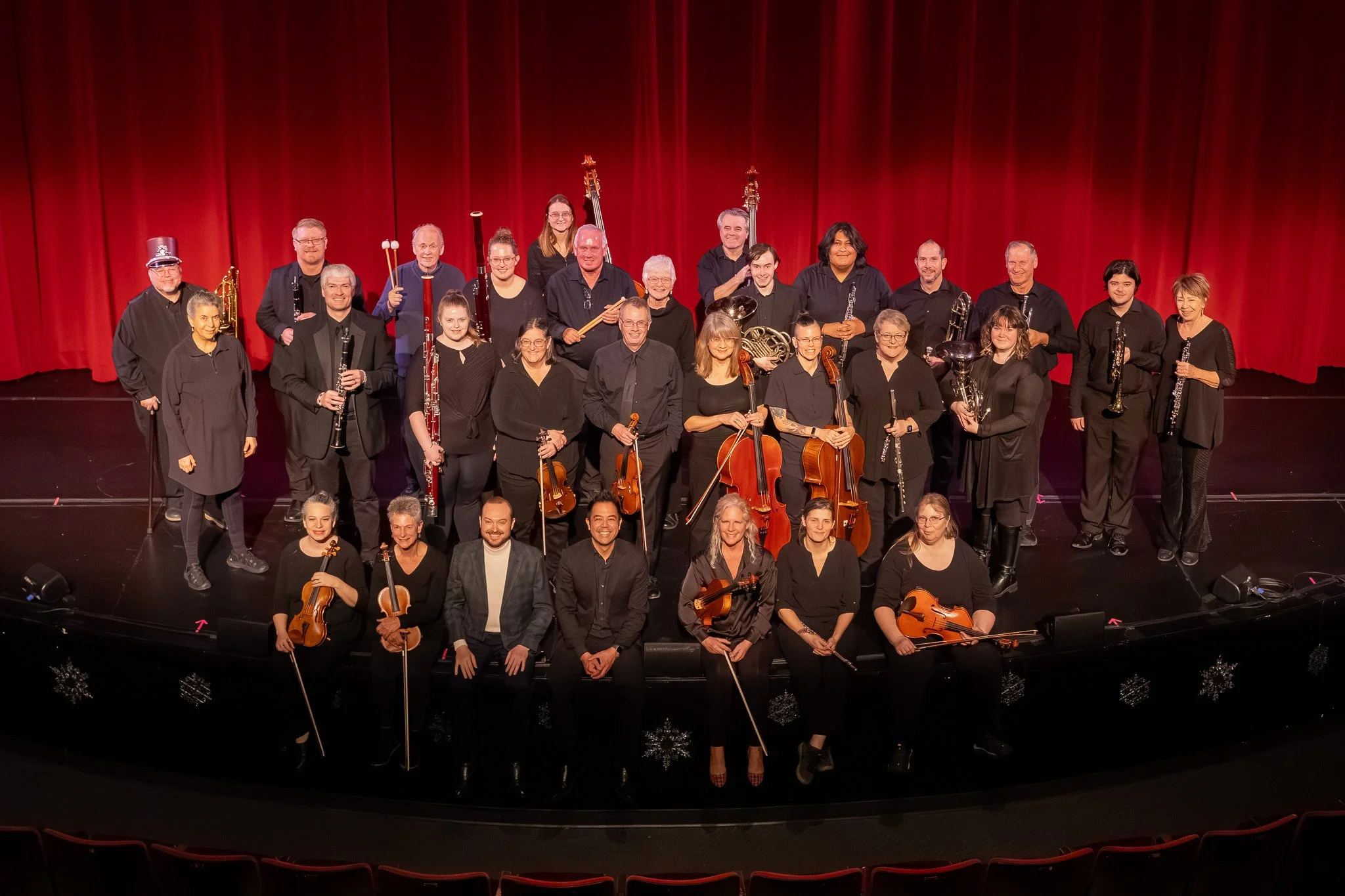
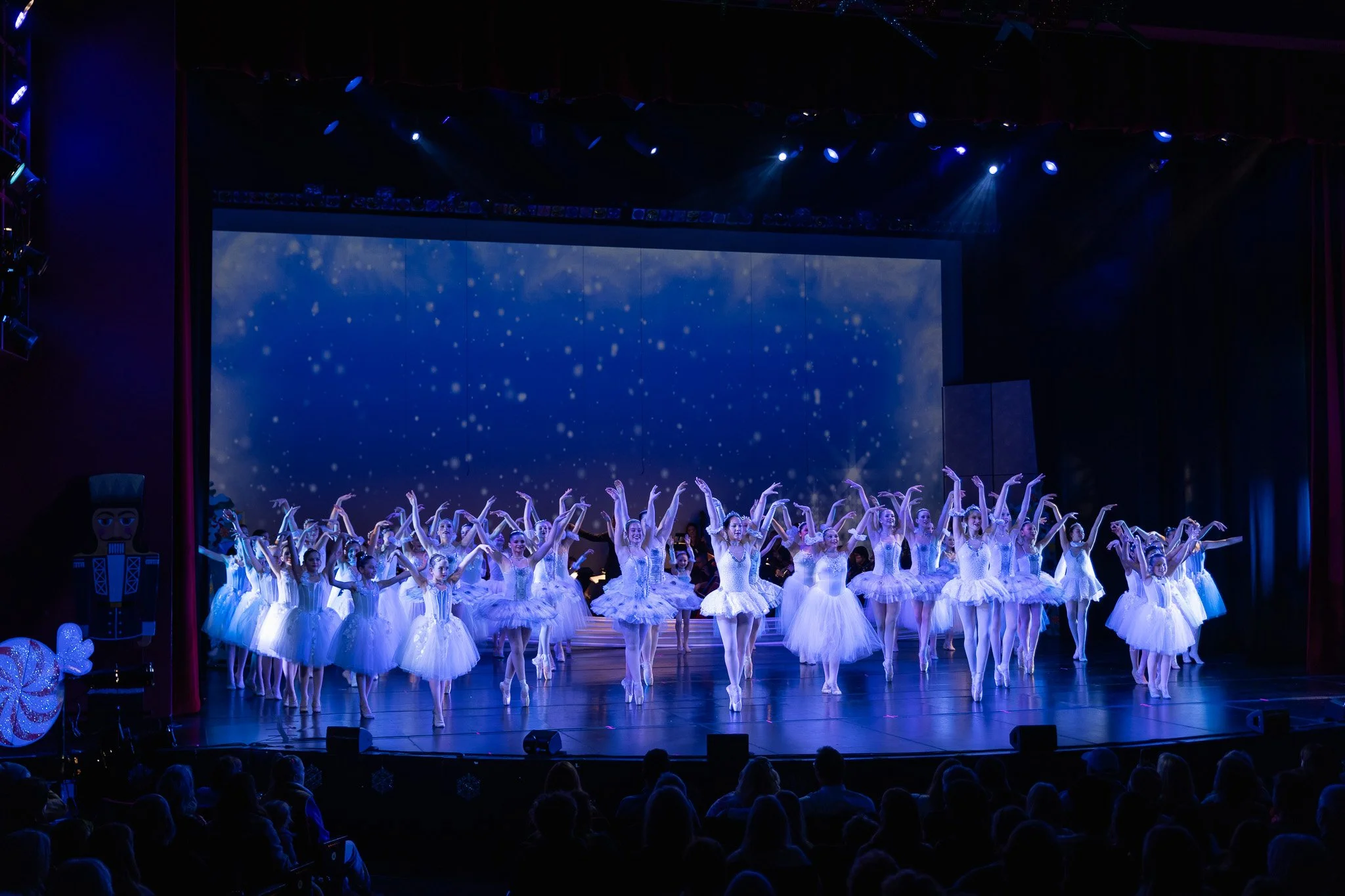
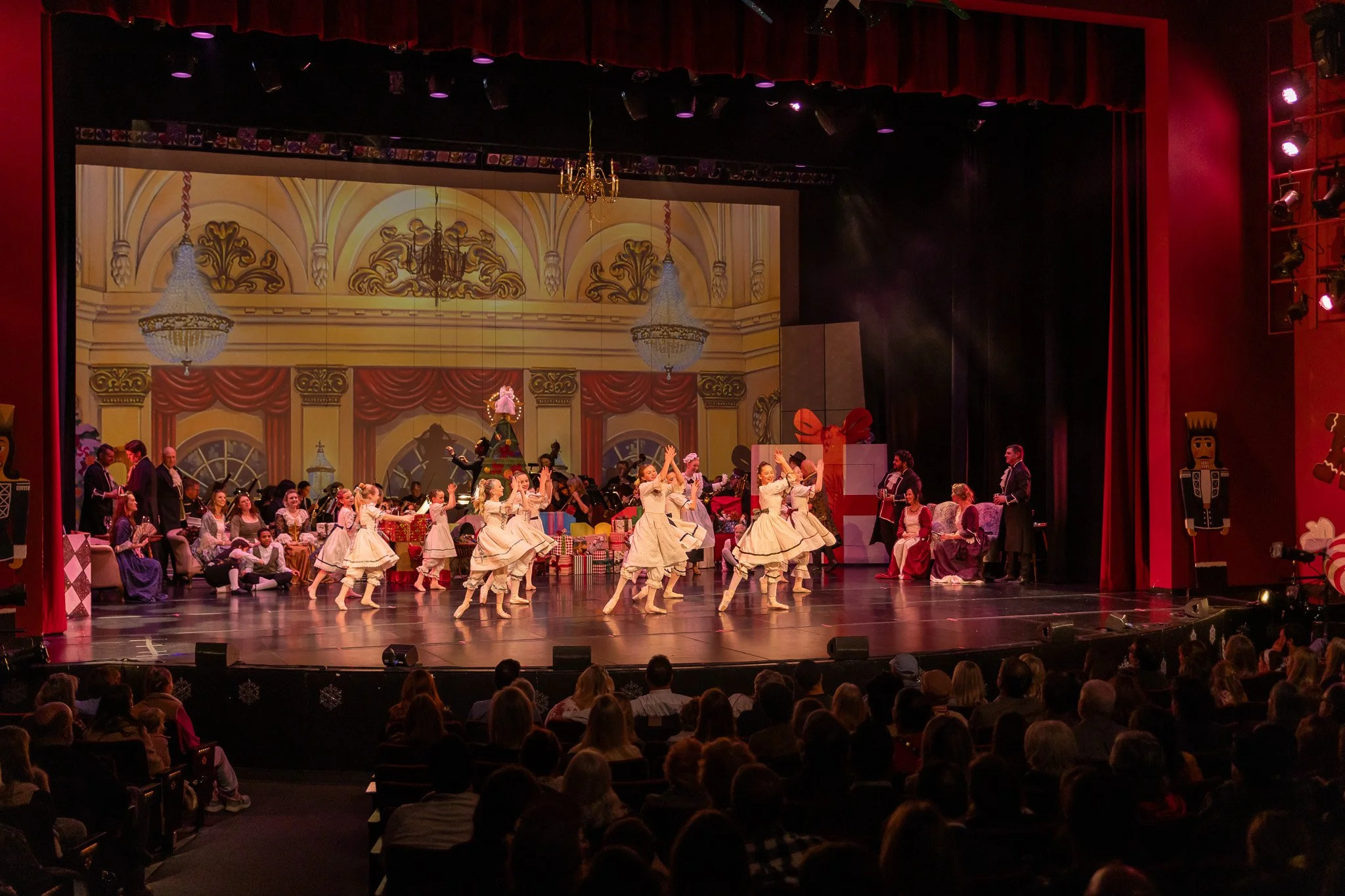
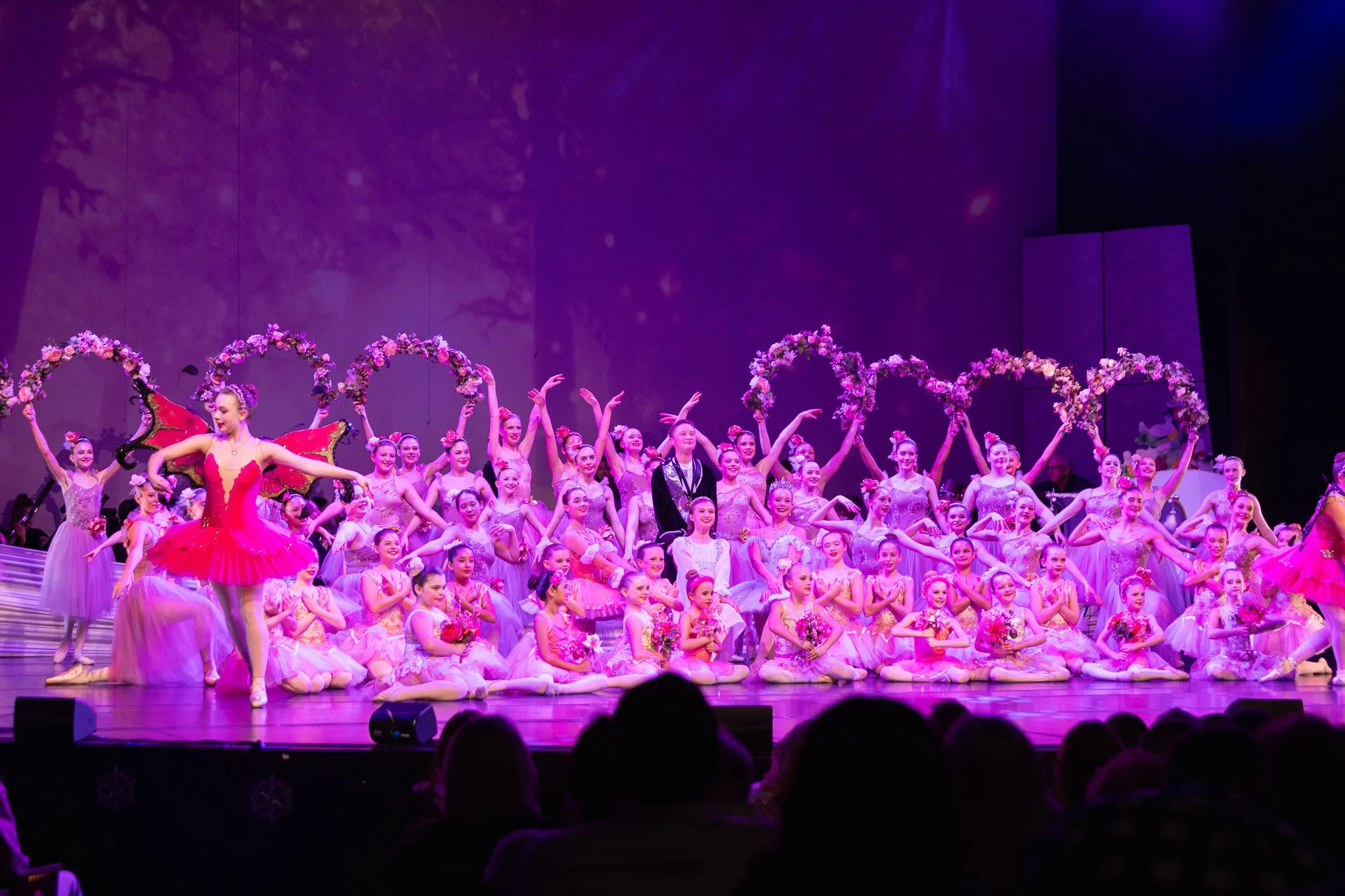
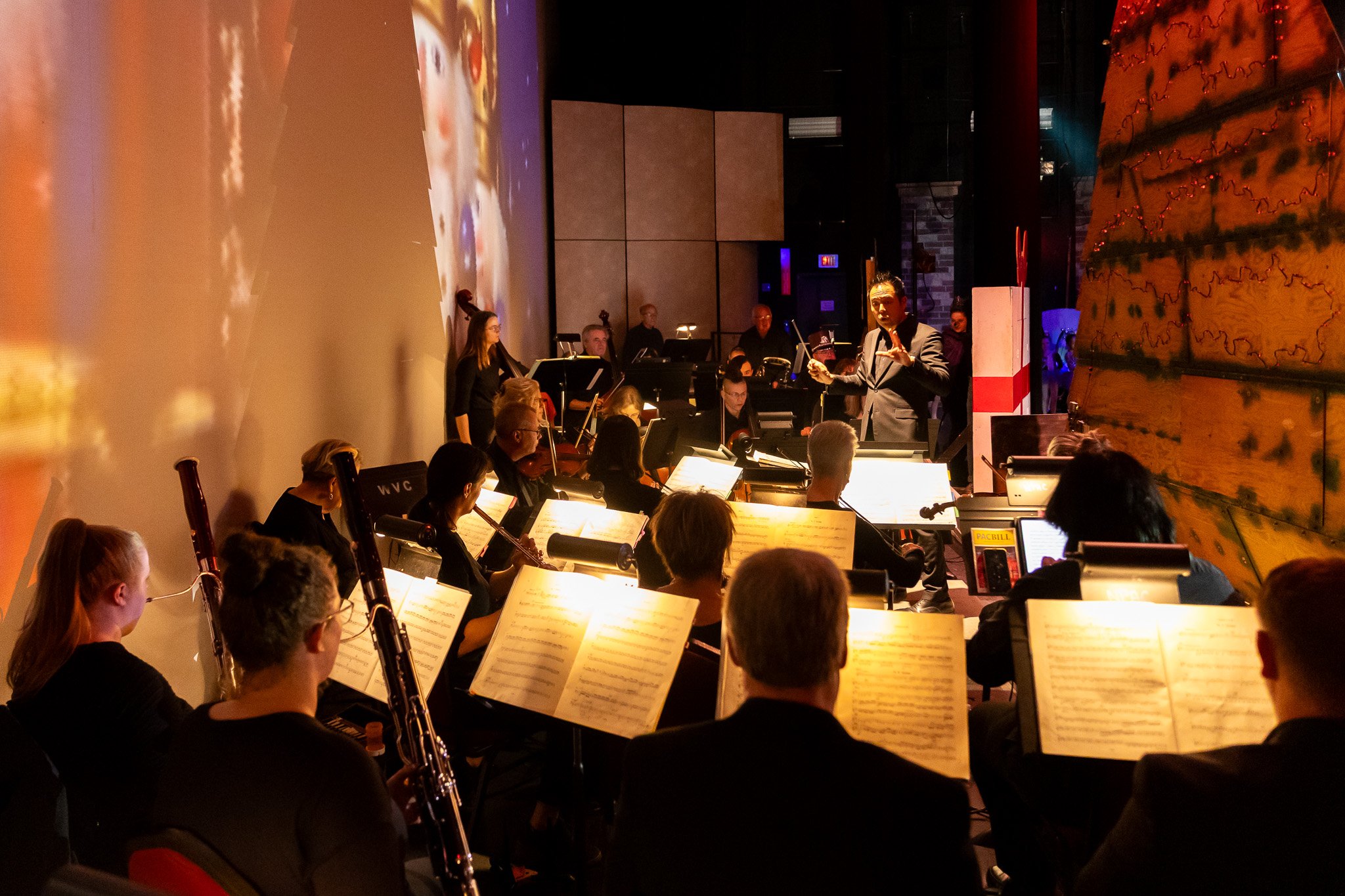
This community production features the Wenatchee Valley Symphony Orchestra, performers throughout the Valley, and the Fabulous Feet Academy of Ballet. Set to Tchaikovsky’s magical score, the ballet comes to life with stunning set designs and period costumes. The Nutcracker will transport audiences of all ages into a winter wonderland that has become a holiday tradition not to be missed. Often sold out, we recommend purchasing tickets well in advance.
Student Discounts Available

Nik’s Notes
This is my favorite tradition of the season. Tchaikovsky’s music is incredible and I never tire of the dances and melodies. But, it is also a ballet that includes performers of all ages and abilities. If I weren’t already conducting, I would audition for a part in the show!
Program
The Nutcracker (arr. McDermott) Tchaikovsky (1840-1893)
Miniature Overture
In collaboration with Fabulous Feet Dance Studio and Academy of Ballet.
About Tchaikovsky’s Nutcracker
The Nutcracker is the last of Tchaikovsky’s three ballets, the others being Swan Lake and The Sleeping Beauty. It was first staged at the Mariinsky Theatre in St. Petersburg on December 18, 1892. The Nutcracker Ballet is based on the story "The Nutcracker and the King of Mice" written by E.T.A. Hoffman, the poet who is the subject of Offenbach’s opera, “The Tales of Hoffman.” Although what is seen on the stage today is different in detail from the original story, the basic plot remains the same: the story of a young German girl who dreams of a Nutcracker Prince and a fierce battle against a Mouse King with seven heads.
When Marius Petipa had the idea to choreograph the story into a ballet, it was actually based on a revision by Alexander Dumas, a well-known French author. His version reflects more of what we have come to love as the Nutcracker Ballet. During the creation of the ballet, Petipa flooded Tchaikovsky with detailed instructions about melody, rhythm, and orchestration – all in a passion to correlate the music and choreography. He constantly badgered Tchaikovsky with notes like: “The stage is empty…Clara returns. Eight measures for her tremble of fright, eight for fantastic and dance music. Rest. The clock strikes midnight. After the chimes of the clock a short tremolo. After the tremolo, five measures to hear the scratching of the mice and four measures for their whistling. After the whistling, eight measures of accelerating music ending in a chord.”